One of the first questions founders ask when they begin their compliance journey is:
“How much is SOC 2 actually going to cost us?”
Unfortunately, the answer isn’t as simple as most vendors make it sound.
The total cost of SOC 2 depends on your company size, existing security maturity, technology stack, and how much work needs to be completed before the audit begins.
Let’s break down the real costs.
The Audit Is Only Part of the Cost
Many startups focus on the audit itself.
While the audit is important, it’s usually not the largest expense.
Before an auditor can issue a SOC 2 report, your organization needs documented controls, evidence collection processes, policies, risk management procedures, access reviews, vendor management practices, and monitoring capabilities.
That’s where most of the effort occurs.
Compliance Platform
Many startups choose platforms such as Vanta or Drata to automate evidence collection and control monitoring.
Typical annual costs:
- Small startup: $8,000 – $20,000+
- Growing startup: $15,000 – $40,000+
Pricing varies significantly depending on employee count and integrations.
Readiness Support
Many organizations need guidance to:
- Build policies
- Conduct risk assessments
- Configure compliance platforms
- Implement controls
- Prepare for audits
Depending on complexity, readiness support can range from a few thousand dollars to significantly more for larger organizations.
SOC 2 Audit
The audit itself typically ranges between:
- $7,000 – $25,000+
Factors affecting cost include:
- Type I vs Type II
- Number of systems
- Organizational complexity
- Auditor selection
Hidden Costs Founders Often Miss
The biggest expense is often internal time.
Engineering, operations, HR, and leadership teams all become involved during readiness and audit activities.
Without proper guidance, teams can spend months implementing controls, rewriting policies, and responding to auditor requests.
This is where many startups accidentally overspend.
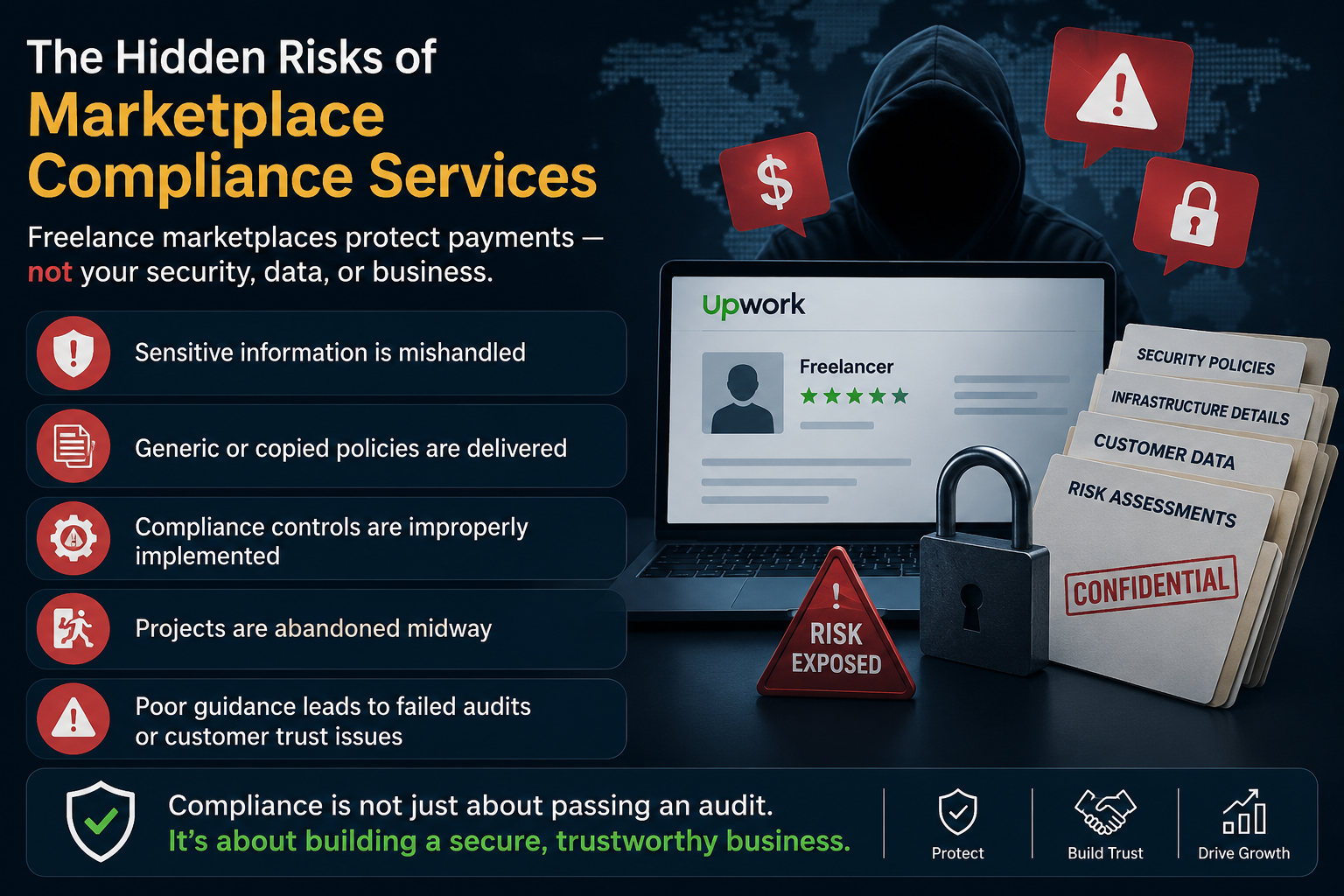
The Cheapest Option Is Rarely the Best Option
Some organizations try to minimize costs by downloading templates or hiring the lowest-cost consultant available.
Unfortunately, this often creates additional remediation work later.
We’ve seen companies spend more fixing poorly implemented compliance programs than they would have spent doing it correctly the first time.
A successful SOC 2 program should not only help you pass an audit – it should improve security operations and strengthen customer trust.
What Should Startups Budget?
As a general guideline:
Early-stage startups should expect a realistic SOC 2 investment to include:
- Compliance software
- Readiness support
- Audit fees
- Internal team effort
The exact amount varies, but planning for the full journey rather than just the audit helps avoid surprises.
Final Thoughts
SOC 2 is an investment in trust.
For startups selling to enterprise customers, it often becomes one of the most important business enablers available.
The goal shouldn’t be finding the cheapest path to SOC 2.
The goal should be building a compliance program that supports growth, improves security, and helps close larger customer opportunities.
At CUNDware, we help startups navigate SOC 2 readiness with practical, cost-conscious guidance designed specifically for growing businesses.